A home is shaped not only by walls and rooms, but by the landscape, memories and everyday rituals it chooses to carry forward.
Words by Ikshaa · Reading time: 7 minutes
Heritage can be mistaken for something distant: a monument protected behind a gate, an heirloom stored carefully away, or a story that belongs entirely to another generation.
At Ikshaa, we understand it differently.
Heritage is alive. It is present in how a doorway frames the afternoon, how a shaded verandah slows the day and how a house sits gently within the land around it.
The past matters most when it continues to make the present feel richer.
A House That Belongs to Its Setting
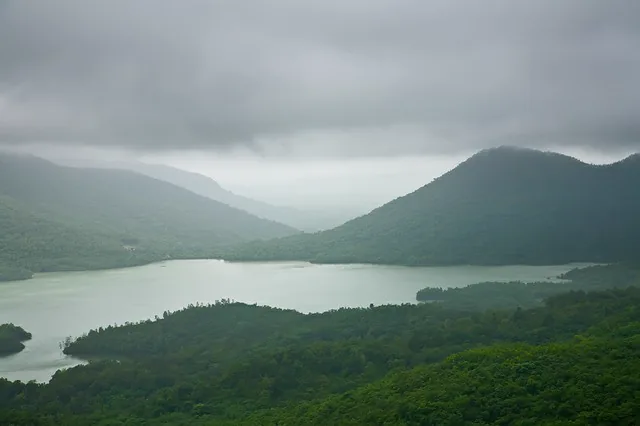
Goa reveals itself slowly. Beyond its beaches are villages shaped by red earth, coconut groves, old houses, chapels, temples, orchards and winding roads. Life follows the seasons. Summer asks for shade. The monsoon changes the colour and sound of everything. Winter opens the house to long, unhurried evenings.
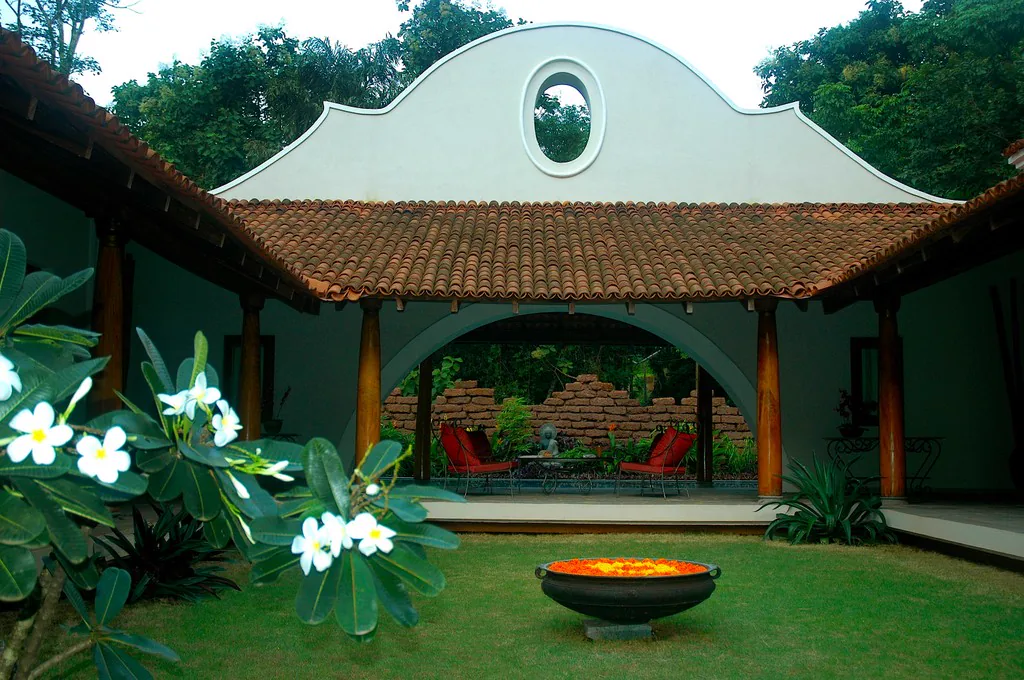
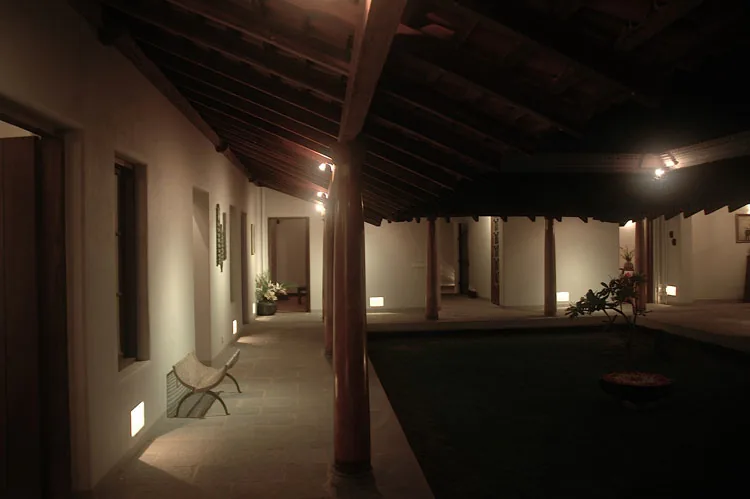
Architecture in such a place cannot be separated from climate. The most memorable homes do not simply resist the elements; they negotiate with them. Roofs extend outward. Windows invite air to pass through. Transitional spaces soften the line between indoors and outdoors.
Heritage is not replication. It is the thoughtful continuation of proportion, material, climate and ritual.
The Beauty of Many Influences
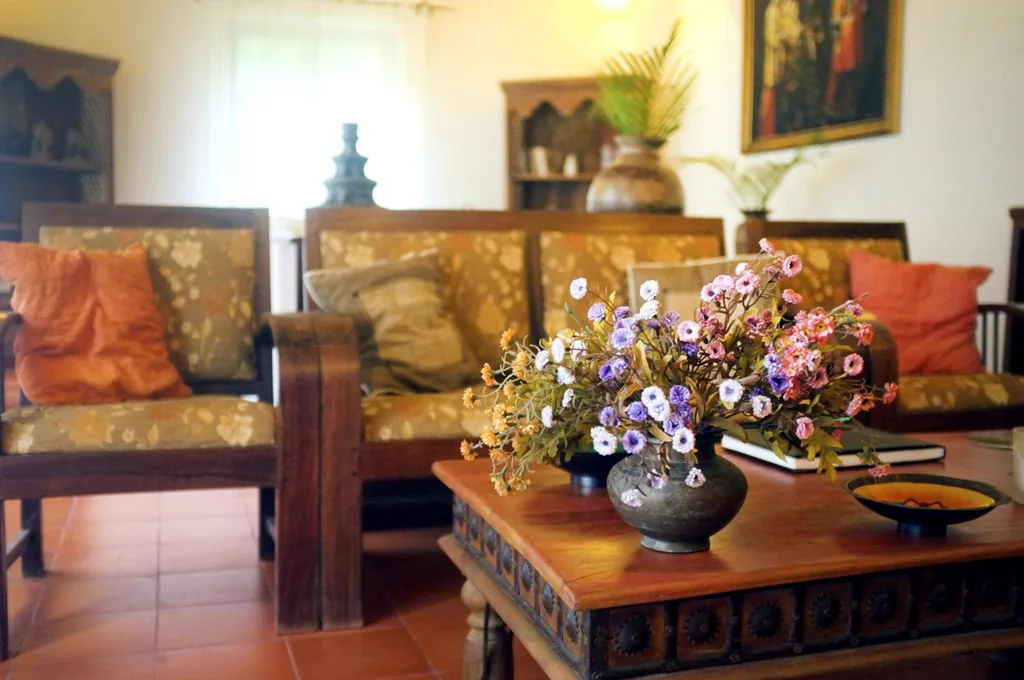
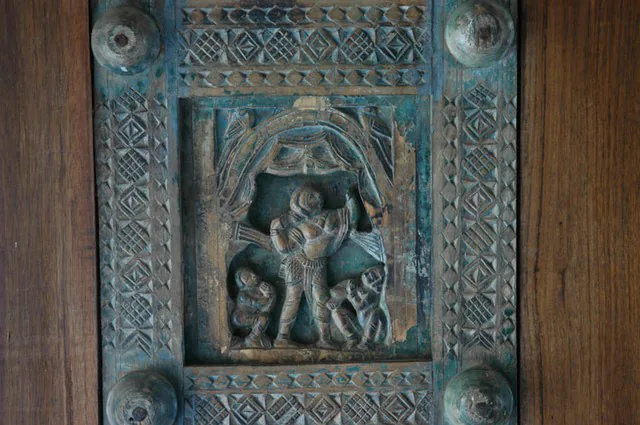
Goan architecture has never belonged to a single visual tradition. Its character emerged over centuries through local craft, Indian building customs and Iberian influence. That layered history is visible in decorative pediments, internal courtyards, verandahs, niches, columns, timber details and the expressive use of colour.
What makes this architecture distinct is not any one motif. It is the ease with which different ideas coexist. Formal façades open into deeply personal interiors. Ornament sits beside practical solutions to heat and rain.
Material, Memory and Touch
A house is remembered through touch as much as sight: the coolness of a floor under bare feet, the grain of timber, the weight of a latch and the unevenness that proves a surface was made by hand.
Natural materials age visibly. They collect marks and soften over time, allowing the building to feel lived in rather than preserved. This is one of heritage’s quiet lessons.
A home remains alive when it is allowed to change without forgetting what first gave it character.
Hospitality as a Tradition
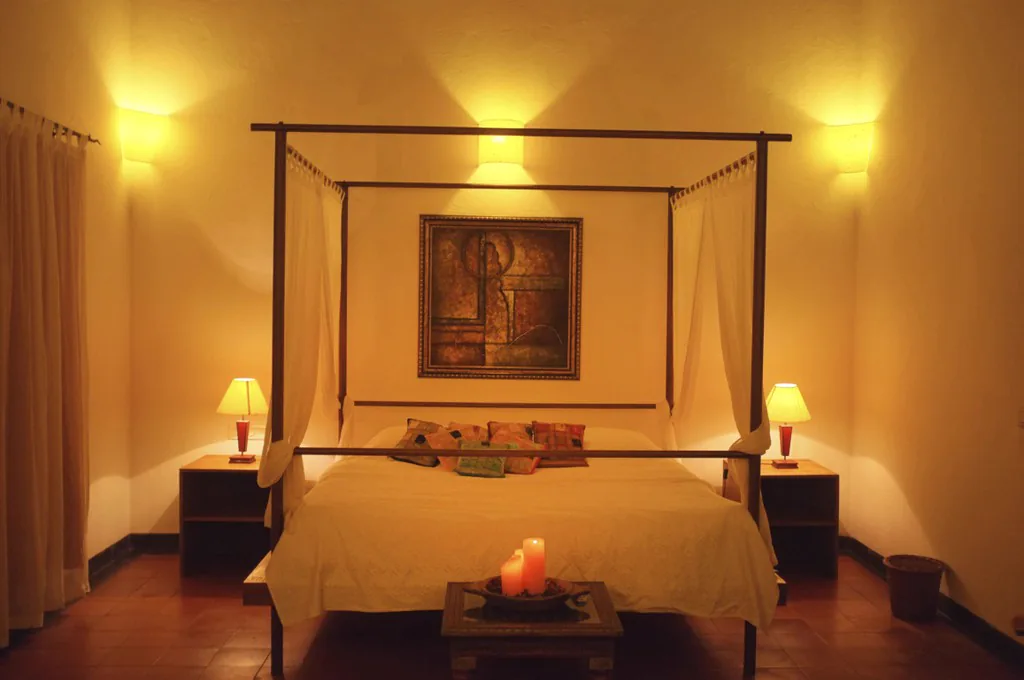
Heritage also lives in behaviour. Across Goa, hospitality is expressed through food, conversation and an instinct to make time for others. A meal is rarely only a meal. It is an invitation to stay longer. A verandah is rarely only a passage. It is a place to sit, watch the rain and share the news of the day.
That generosity guides the experience of staying at Ikshaa. Privacy is important, but so is warmth. We hope guests leave with more than photographs — a particular quality of morning light, the sound of leaves after rain, and the feeling that, for a few days, the house belonged to them.
What We Choose to Carry Forward
To speak of “our heritage” is not to claim ownership over Goa’s many histories. It is to acknowledge our responsibility towards the place we inhabit. Every generation decides what it will preserve, reinterpret and pass on.
Ikshaa is our contribution to that continuing conversation: a contemporary villa shaped by older wisdom, a private retreat connected to its village landscape and a home whose identity grows deeper each time it is lived in.
✦